ARTICLE 02
FROM CREATIVITY TO COLLECTIVE POWER: THE ROLE OF ARTS AND MEDIA IN STRATEGIC ADVOCACY A stage, a film, a radio conversation or a community archive can do more than tell a story. It can help people organise, challenge stigma and demand change.
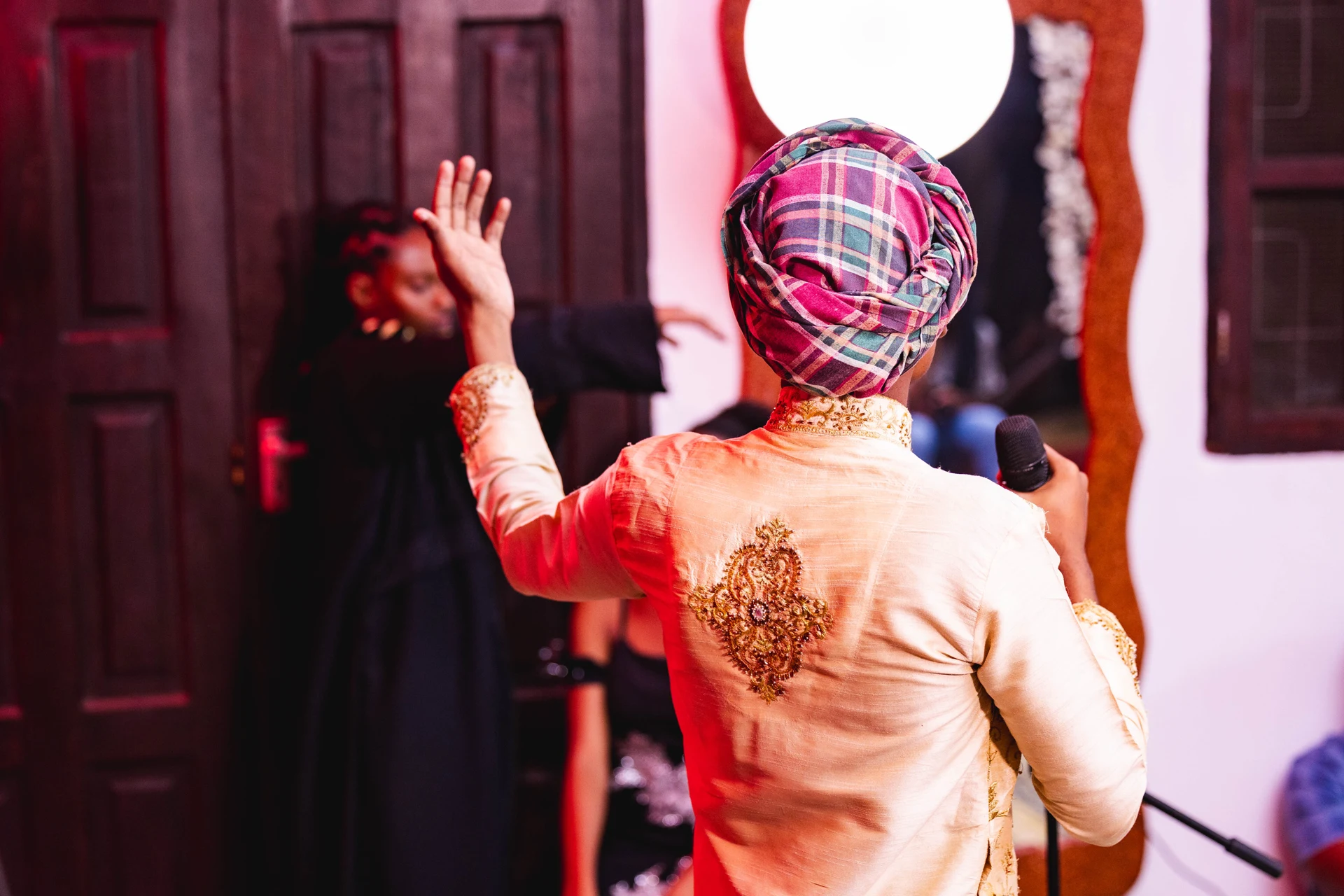
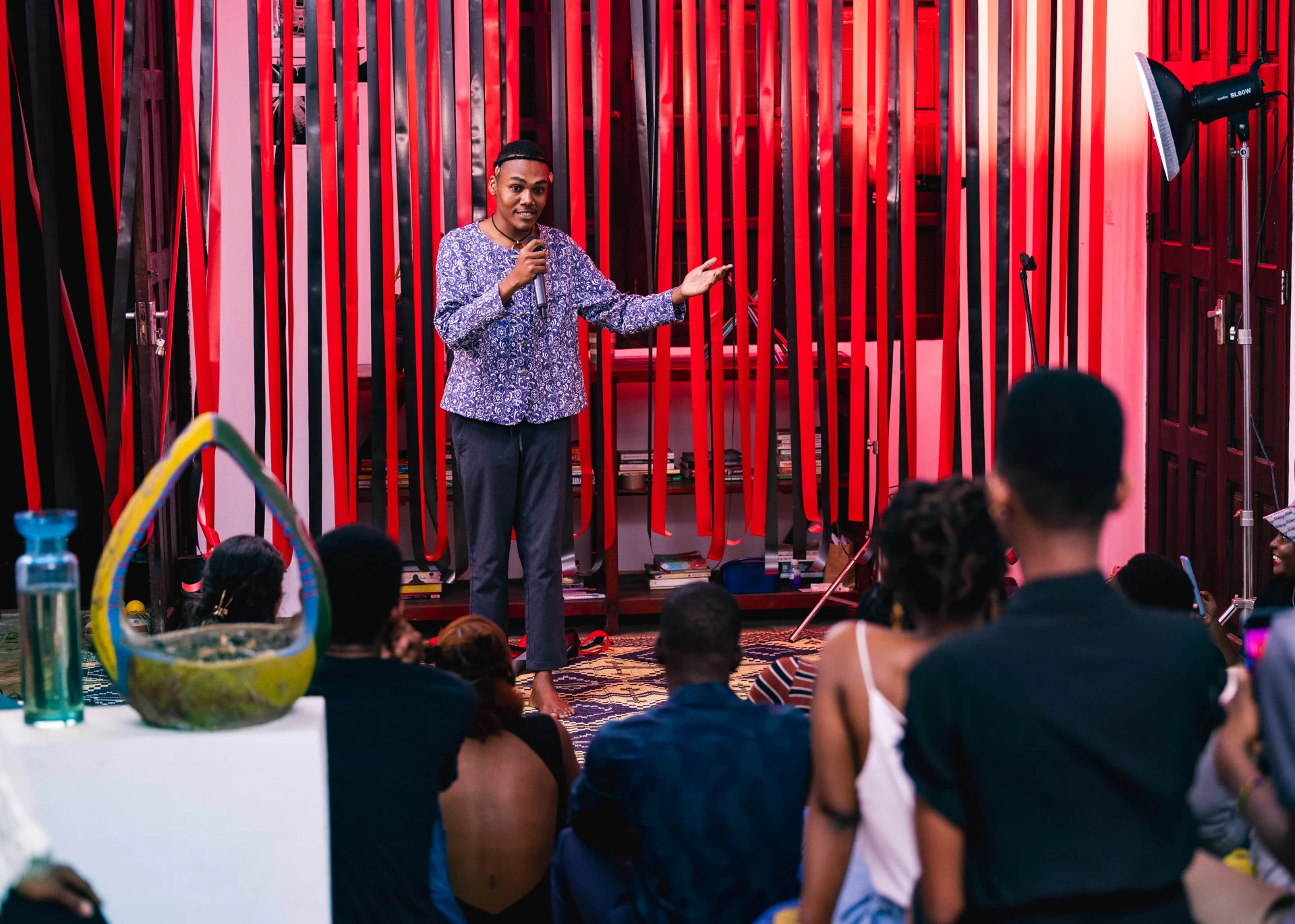
M ovement-building requires more than a message. It requires people to recognise a shared problem, understand how it affects their lives, build trust, imagine alternatives and organise sustained action. Arts and media can support every part of this process. Poetry can give language to an experience people have been taught to hide. Theatre can make a policy issue visible. Photography and film can document evidence. Community radio and ethical journalism can bring local knowledge into public debate. Creative work can help transform isolated experiences into collective concerns.
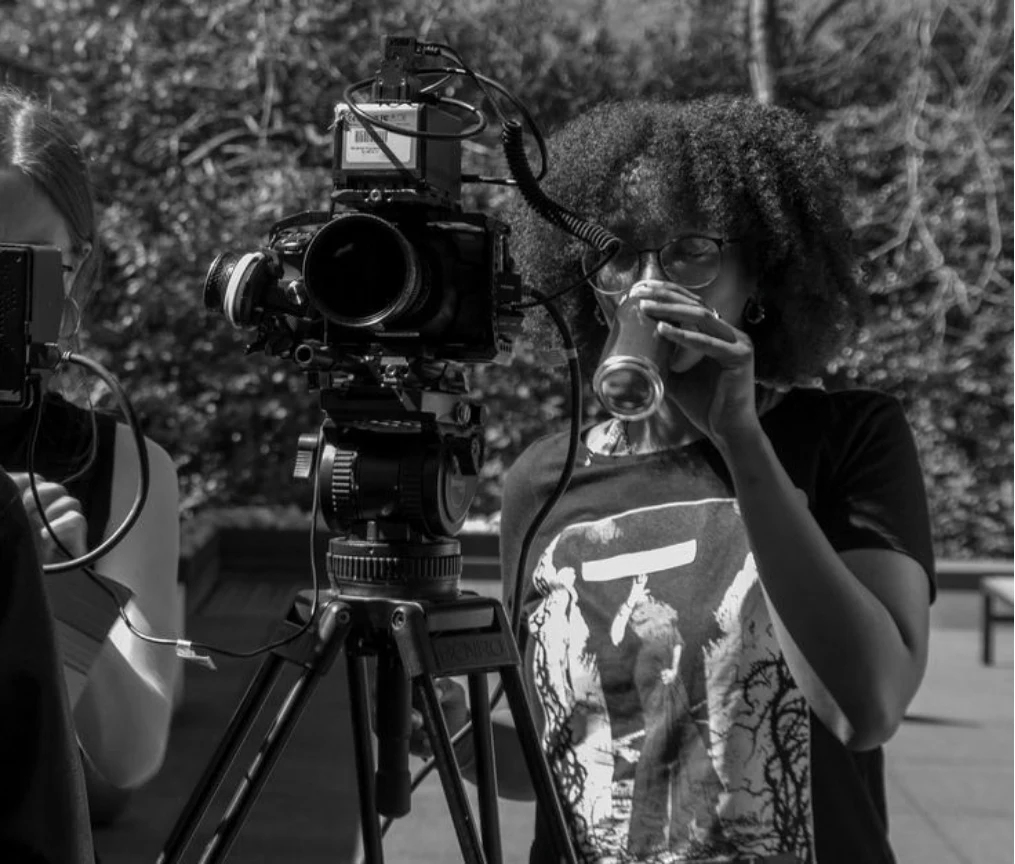
In human-rights advocacy, creative practice can make complex issues accessible without reducing them to slogans. A short film can challenge dehumanising narratives; a performance can invite audiences to question discrimination; a living archive can preserve testimony that official histories overlook. When communities participate in creating and sharing these works, they are not simply campaign audiences. They become knowledge-holders, cultural producers, organisers and authors of their own public narratives. UNESCO has emphasised that artistic freedom includes the ability to create without censorship or intimidation and to have work supported, distributed and remunerated. [1]
This is particularly important in HIV advocacy. Stigma, discrimination and misinformation can prevent people from seeking testing, treatment, prevention tools and support. Community-led organisations can use peer storytelling, radio discussions, visual campaigns, theatre and public dialogue to challenge myths, communicate accurate information and create routes to services. The work must protect confidentiality: nobody should be pressured to disclose their HIV status or personal experience to make a campaign more powerful.
“Grassroot action on HIV is the most important way forward for the global response. Knowledge is only meaningful when shared.” — Kåre Moen, Associate Professor at the Institute of Health and Society, University of Oslo, quoted by UNAIDS [2]
UNAIDS has documented the role of communities affected by HIV in providing peer support, defending human rights and advocating for access to essential services. Its reporting on Tanzania also highlights the importance of community-based approaches and meaningful participation by key populations in decisions affecting their health and well-being. These approaches are strongest when communities help set priorities, design interventions and evaluate results—not when they are invited only after decisions have already been made. [2][3]
Creative advocacy becomes strategic when connected to clear goals. A campaign should identify the change sought, the decision-makers with power to make it, the audiences whose support matters, the evidence needed, participant risks and actions people can take. A film or performance can spark discussion; a guide can help groups use it; a media brief can inform journalists; a petition or policy submission can carry demands to decision-makers; and follow-up can track commitments.
Ethics are central. Obtain informed consent, protect sources, verify claims, avoid exposing people to retaliation, and provide referral information when discussing sensitive health or rights issues. Measure more than views and attendance: track new partnerships, community participation, media uptake, commitments made, policy changes, service referrals and whether affected communities feel safer and better represented.
For GenDAR, the creative sector is both a place to challenge exclusion and a powerful space from which to organise for wider change. The goal is not to make art serve as decoration for advocacy. It is to recognise creative practice as a way communities think, communicate, preserve memory, build solidarity and exercise civic power.
SOURCES & FURTHER READING • [1] UNESCO, “Freedom & Creativity: Defending artistic freedom” (2020 report resource) — https://unesdoc.unesco.org/in/rest/annotationSVC/DownloadWatermarkedAttachment/attach _import_2ae36808-ca4a-42d7-ac98-45173f8143a0?_=373357eng.pdf • [2] UNAIDS, “Insights, advances and partnerships to reach key populations in Africa” (Tanzania feature) — https://unaids.org/en/resources/presscentre/featurestories/2015/december/20151223_Tanzan ia • [3] UNAIDS, “Communities are making the difference in the HIV response” — https://www.unaids.org/en/resources/presscentre/featurestories/2019/december/communitie s-are-making-the-difference-in-the-hiv-response
Open Original PublicationKeep The Conversation Going.
Community stories are stronger when we share knowledge and create space for new perspectives.
Connect With GenDAR